USFDA Guidance: Continuous Glucose Monitoring Data in Clinical Trials and Postapproval Pregnancy Safety Studies

The U.S. Food and Drug Administration (FDA) continues to modernize clinical research and postmarketing safety monitoring through new guidance documents focused on digital health technologies and real-world safety evidence.
In May 2026, FDA published two important guidance documents:
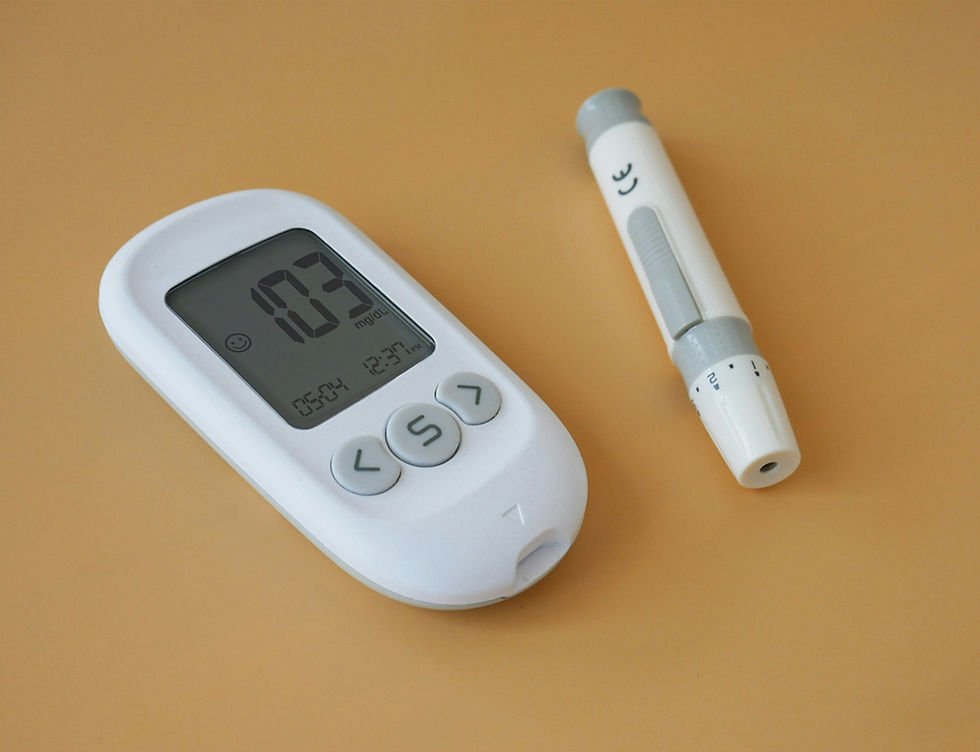
Guidance on Continuous Glucose Monitoring (CGM) Data in Clinical Trials
What is Continuous Glucose Monitoring (CGM)?
Continuous Glucose Monitoring (CGM) systems are digital health technologies that continuously measure glucose levels in the body throughout the day and night. Unlike traditional finger-stick glucose testing, CGM devices provide:
Near real-time glucose measurements
Glucose trends over time
Automated glucose data collection
Continuous monitoring during daily activities
These systems are increasingly used in clinical trials for diabetes therapies and other metabolic conditions. The guidance provides recommendations on how sponsors should standardize and submit CGM data in clinical trials supporting marketing applications for drugs and biologics.
The main goal of the guidance is to improve consistency and standardization in the submission of CGM data to FDA. The document explains how sponsors should prepare:
SDTM datasets
ADaM datasets
Tables and figures
Metadata documentation
Analysis-ready datasets
for regulatory review.
FDA explains that standardized CGM submissions may help facilitate more efficient review of clinical trial data. According to the guidance, CGM systems generate several types of data, including:
Epoch-Level Data
These are detailed glucose readings collected at frequent intervals such as:
Every 1 minute
Every 5 minutes
Every 15 minutes
depending on the CGM device used.
Intermediate Summary Data
These datasets summarize glucose information over specific periods such as:
Daily summaries
Weekly summaries
Time-in-range calculations
Final Analysis Data
These datasets contain the final study endpoints used in statistical analyses and regulatory review.
Examples may include:
Average glucose levels
Time in range (TIR)
Hypoglycemia episodes
Hyperglycemia measurements
FDA Recommendations for CGM Data Submission
The guidance recommends that sponsors use standardized CDISC data models including:
SDTM (Study Data Tabulation Model)
ADaM (Analysis Data Model)
FDA also recommends submitting:
Define-XML metadata
Reviewer guides
Analysis programs
Device-level information
This standardization may help improve traceability and consistency during FDA review.
Digital Health Technology Considerations
FDA emphasizes that CGM systems are considered digital health technologies (DHTs).
The guidance discusses important considerations such as:
Device identifiers
Software versions
Sensor replacement events
Data transmission issues
Device upgrades or changes during the study
FDA encourages sponsors to maintain consistent CGM models throughout a clinical trial whenever feasible.
Guidance on Postapproval Pregnancy Safety Studies
Why Pregnancy Safety Data Is Important
Pregnant women are often excluded from clinical trials, which means limited human safety data may be available when drugs are first approved. However, many women may still require medications during pregnancy for conditions such as:
Diabetes
Asthma
Epilepsy
Hypertension
Infections
Additionally, unintended pregnancies may result in accidental drug exposure during pregnancy. The guidance provides recommendations for sponsors conducting pregnancy safety studies for FDA-regulated drugs and biologics after product approval. The guidance explains how sponsors and investigators can design studies to evaluate pregnancy-related safety outcomes associated with drug exposure.
The goal is to generate clinically relevant human safety data that may help healthcare professionals better understand:
Risks during pregnancy
Potential fetal effects
Maternal safety outcomes
Postpartum outcomes
The information may eventually support updates to product labeling.
Common Types of Pregnancy Safety Studies
FDA discusses several study approaches that may be used in postmarketing safety monitoring.
1. Case Reports and Case Series
Spontaneous adverse event reports and published case reports may help identify potential safety signals.
Important information collected may include:
Drug exposure timing
Dose and duration
Maternal medical history
Pregnancy outcomes
Fetal abnormalities
Concomitant medications
FDA explains that well-documented case reports can sometimes identify rare teratogenic risks.
2. Pregnancy Registries
Pregnancy registries are prospective observational studies that collect information from pregnant women exposed to specific drugs.
These registries may help evaluate:
Congenital abnormalities
Pregnancy complications
Birth outcomes
Infant development
FDA explains that pregnancy registries are valuable because they collect detailed patient-level real-world data.
However, challenges may include:
Difficult patient recruitment
Limited enrollment
Loss to follow-up
Small sample sizes
3. Complementary Real-World Studies
FDA also discusses the use of:
Electronic health records
Medical claims databases
Population-based surveillance systems
Case-control studies
National registries
These complementary approaches may help support broader safety evaluations.
Challenges in Pregnancy Safety Research
FDA acknowledges that pregnancy safety research can be difficult because of:
Limited preapproval data
Rare adverse outcomes
Ethical concerns in pregnant populations
Small exposure populations
Confounding factors
Incomplete reporting
Because of these limitations, FDA encourages the use of multiple complementary study methods when appropriate.
Together, these documents demonstrate FDA’s continued efforts to modernize regulatory science, improve data quality, strengthen patient safety monitoring, and support evidence-based healthcare decision-making.
References
For complete details, refer to the official FDA guidances:
For complete details, refer to the official FDA guidances:


Comments